

Are you eating enough protein for muscle growth? This question nags at every athlete. According to a meta-analysis, optimal protein intake can double muscle growth results compared to insufficient intake (Morton et al., 2018). This guide covers exactly how much protein you need and how to get it most effectively.
How I Learned the Importance of Protein
For my first two years of training I worked out hard but ate like a "normal person" — maybe 60–80 grams of protein per day. I kept wondering why my muscles weren't growing despite solid training.
Then I started actually tracking my nutrition. I increased protein to 160 grams per day (roughly 2 g/kg). The change was dramatic: muscles grew, recovery improved, and I had the energy to train harder.
That taught me that training is just the stimulus — without the building blocks, the body can't respond to it. Today, tracking protein is as automatic as tracking my workouts.
"Protein isn't a supplement — it's a fundamental nutrient. Without it, training is like building a house without bricks." – Pietari Risku, Founder of Tsemppi
Table of Contents
- Why is protein essential for muscle growth?
- How much protein do you need for muscle growth?
- Best protein sources for athletes
- Protein timing — when should you eat?
- Protein supplements — do you need them?
- Most common mistakes with protein intake
- FAQ
- Summary
Why Is Protein Essential for Muscle Growth?
Protein is the building block of muscle. When you train, muscle cells sustain damage — protein repairs them and rebuilds them stronger. This process is called muscle protein synthesis (MPS). Read more about recovery from training.
What Protein Does in the Body
Protein isn't just for muscle growth. It affects:
- Muscle repair — recovery from training
- Enzyme production — metabolism
- Hormone synthesis — testosterone, growth hormone
- Immune function — resistance to illness
- Satiety — weight management
What Happens If Protein Is Too Low?
Research shows that insufficient protein intake leads to (Jäger et al., 2017):
| Problem | Consequence |
|---|---|
| Slow recovery | More time needed between sessions |
| Muscle mass loss | Progress stalls or reverses |
| Reduced strength | Weights stop going up |
| Increased hunger | Harder to manage body weight |
| Weakened immune system | Higher risk of illness |
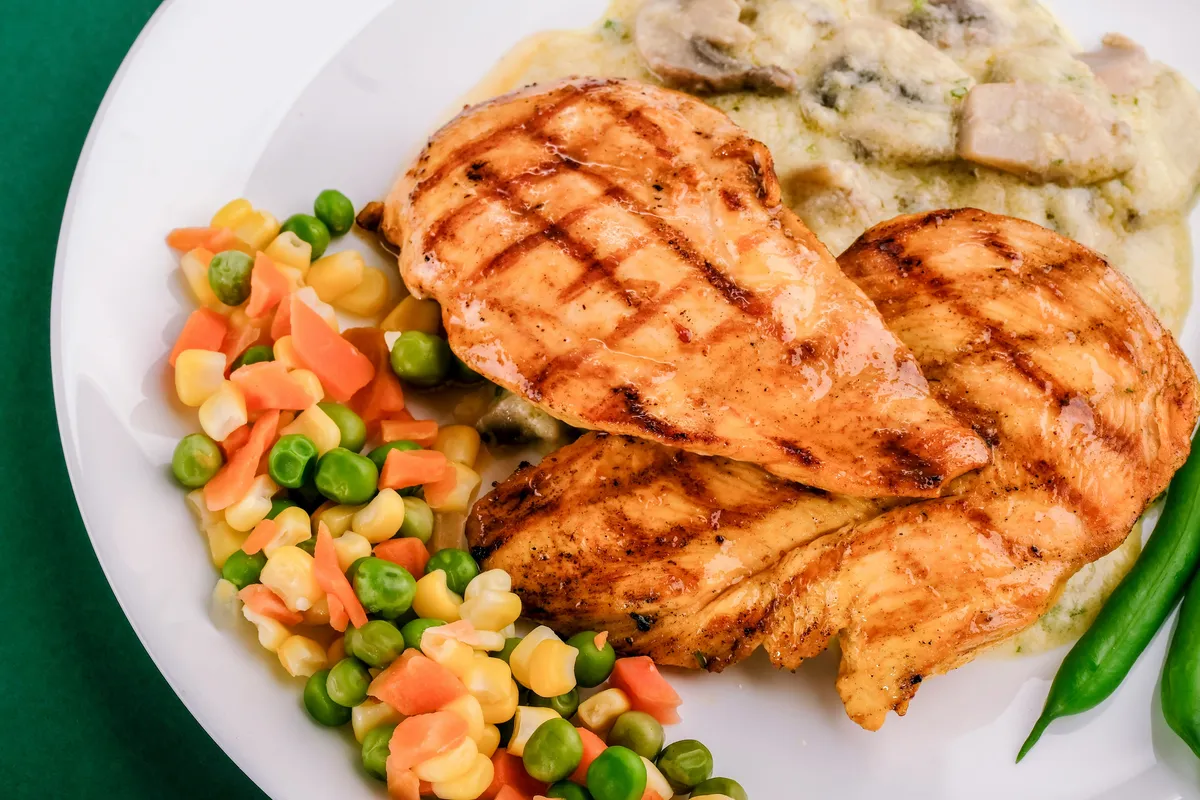 Protein-rich foods for muscle growth
The protein needs of muscle growth are best met through a variety of high-quality protein sources.
Protein-rich foods for muscle growth
The protein needs of muscle growth are best met through a variety of high-quality protein sources.
How Much Protein Do You Need for Muscle Growth?
This is the million-dollar question. The answer depends on several factors, but science provides clear guidelines.
The Scientific Recommendation
The International Society of Sports Nutrition (ISSN) recommends for those pursuing muscle growth (Jäger et al., 2017):
1.6–2.2 grams of protein per kilogram of bodyweight per day
In practical terms:
| Bodyweight | Minimum (1.6 g/kg) | Optimal (2.0 g/kg) | Maximum (2.2 g/kg) |
|---|---|---|---|
| 60 kg | 96 g | 120 g | 132 g |
| 70 kg | 112 g | 140 g | 154 g |
| 80 kg | 128 g | 160 g | 176 g |
| 90 kg | 144 g | 180 g | 198 g |
| 100 kg | 160 g | 200 g | 220 g |
Who Needs More?
Protein needs increase in certain situations:
- Calorie deficit — while dieting, 2.0–2.4 g/kg protects muscle mass
- Beginners — the first 6–12 months benefit from higher intake
- Over 40 — aging reduces the body's ability to utilize protein
- High training volume — more than 5 sessions per week demands more
Can You Get Too Much Protein?
Research shows that in healthy individuals even 3.0 g/kg causes no harm (Antonio et al., 2016). However, exceeding 2.2 g/kg produces no additional muscle growth benefit — excess protein is simply used for energy.
Best Protein Sources for Athletes
Not all protein is equal. Protein quality depends on amino acid profile and digestibility.
Animal-Based Sources
Animal proteins contain all essential amino acids in optimal ratios:
| Food | Protein per 100g | Notable feature |
|---|---|---|
| Chicken breast | 31 g | Lean, versatile |
| Egg | 13 g | Complete amino acid profile |
| Cottage cheese | 12 g | Slow digestion (casein) |
| Greek yogurt | 10 g | Probiotics, easy snack |
| Salmon | 25 g | Omega-3, vitamin D |
| Ground beef | 26 g | Iron, creatine, zinc |
| Quark | 11 g | Affordable, versatile |
Plant-Based Proteins
Good sources for vegetarians and vegans:
| Food | Protein per 100g | Note |
|---|---|---|
| Tofu | 15 g | Combine with grains |
| Tempeh | 19 g | Fermented, good absorption |
| Lentils | 9 g | High fiber |
| Chickpeas | 9 g | Very versatile |
| Seitan | 25 g | Wheat gluten |
| Fava beans | 8 g | Excellent plant option |
A Complete Day of Protein
Example for an 80 kg athlete (goal: 160 g protein):
| Meal | Food | Protein |
|---|---|---|
| Breakfast | 3 eggs + 100 g quark | 39 g |
| Lunch | 150 g chicken breast + rice | 46 g |
| Snack | 200 g cottage cheese + banana | 24 g |
| Dinner | 150 g salmon + vegetables | 38 g |
| Evening | Protein shake (30 g) | 30 g |
| Total | 177 g |
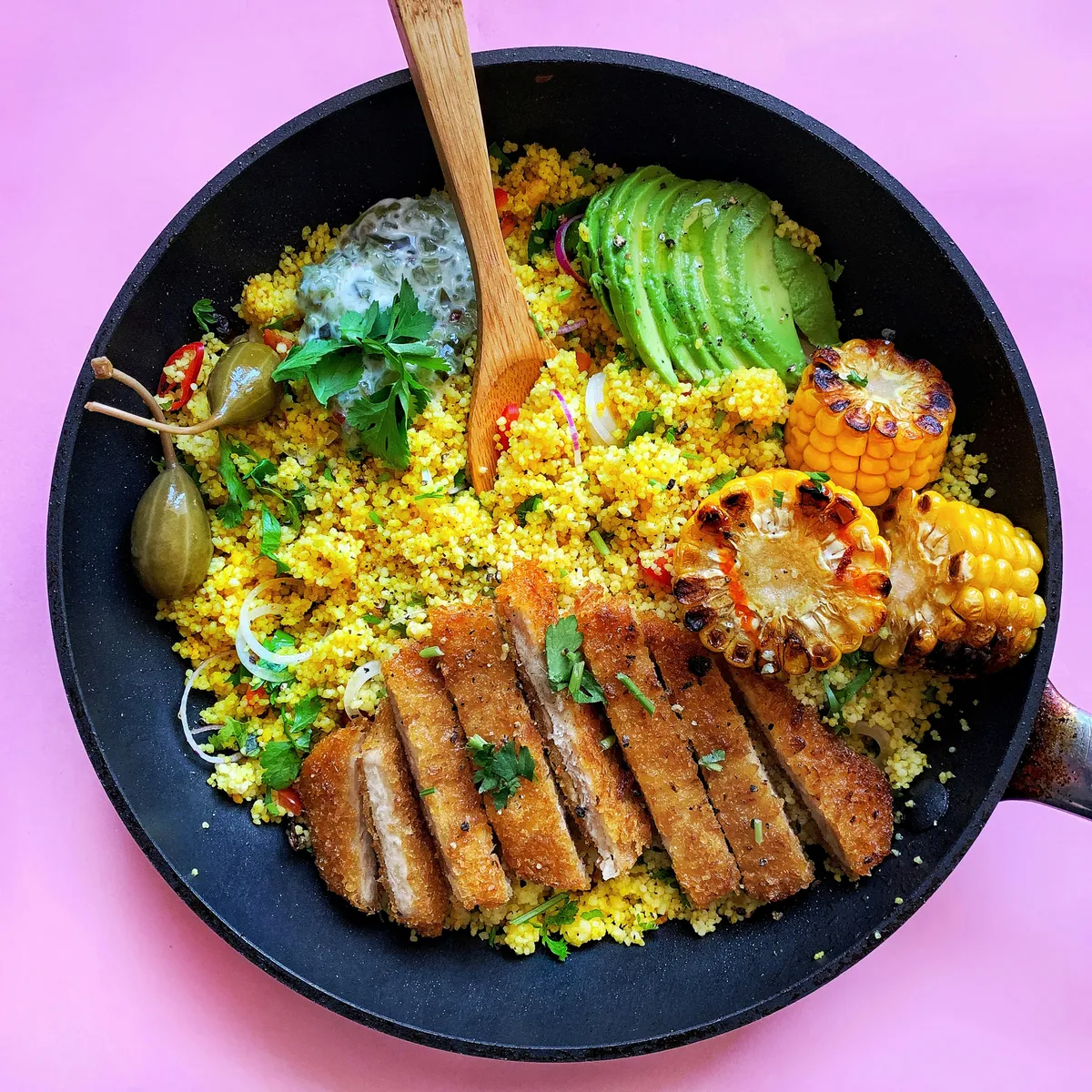 Protein-rich foods on a plate
The best protein sources for muscle growth come from both animal and plant-based foods.
Protein-rich foods on a plate
The best protein sources for muscle growth come from both animal and plant-based foods.
Protein Timing — When Should You Eat?
Protein timing is a topic that generates plenty of debate. Here's what the science actually says.
The Anabolic Window — Myth or Reality?
The old belief: you have 30 minutes after training to eat or you'll "miss your gains." Research shows the reality is more flexible (Aragon & Schoenfeld, 2013): muscle protein synthesis stays elevated for 24–48 hours after training, the most important factor is your total daily protein — not any single meal, and a practical window of 2–3 hours before and after training is reasonable.
Optimal Protein Distribution
A meta-analysis recommends (Schoenfeld & Aragon, 2018):
| Recommendation | Rationale |
|---|---|
| 4–5 protein-rich meals per day | Sustained MPS throughout the day |
| 0.4–0.55 g/kg per meal | Sufficient leucine dose (2.5–3 g) |
| 20–40 g protein per meal | Optimal for most people |
| No gaps longer than 6 hours | Prevents MPS from dropping too low |
Training Day vs. Rest Day
| Training day | Rest day |
|---|---|
| Protein before training (2–3h) | Normal meal rhythm |
| Protein after training (1–2h) | Same total amount |
| Slightly more in the evening | Casein before bed is a good option |
Protein Supplements — Do You Need Them?
Protein supplements are a convenient way to fill gaps in your diet, but they're not essential.
When Are Supplements Useful?
- Busy lifestyle — no time to cook
- High protein needs — difficult to reach 150+ g from food alone
- Post-workout — fast and convenient
- Traveling — easy to carry
Best Protein Supplements
| Type | Absorption | Best use |
|---|---|---|
| Whey protein | Fast (30–60 min) | After training |
| Casein | Slow (6–8 hours) | Before bed |
| Plant protein | Moderate | Vegans, those with allergies |
| Whey isolate | Very fast | Lactose intolerance |
How to Choose a Good Protein Powder
Check these things: protein content (at least 75% — 75 g per 100 g), amino acid profile (BCAA and leucine listed), additives (as few as possible), and third-party testing (Informed Sport, NSF).
 Protein shake after training
Timing protein around training supports muscle growth and recovery.
Protein shake after training
Timing protein around training supports muscle growth and recovery.
Most Common Mistakes with Protein Intake
1. Too Little at Breakfast
Many people eat only oatmeal or toast for breakfast. Result: no meaningful protein until lunch.
Fix: Add eggs, quark, or a protein smoothie to your breakfast.
2. Uneven Distribution
A typical mistake: 10 g at breakfast, 20 g at lunch, 80 g at dinner.
Fix: Spread protein evenly across 4–5 meals (20–40 g per meal).
3. Relying Only on Protein Powder
Supplements don't replace real food. Whole foods also provide micronutrients, fiber, and phytochemicals.
Fix: A maximum of 1–2 protein shakes per day — get the rest from real food.
4. Ignoring Protein Quality
Not all protein is equal. Wheat, for example, lacks lysine.
Fix: Prioritize high-quality sources and combine plant proteins to cover all amino acids.
5. Too Little While Dieting
Calorie deficit + insufficient protein = muscle loss.
Fix: While cutting, raise protein to 2.0–2.4 g/kg to preserve muscle mass.
FAQ
How much protein per day for muscle growth?
The scientific recommendation is 1.6–2.2 grams per kilogram of bodyweight per day. An 80 kg athlete therefore needs 128–176 grams of protein daily for optimal muscle growth.
Can you get too much protein?
In healthy individuals, even 3 g/kg causes no health issues. However, exceeding 2.2 g/kg produces no additional muscle growth benefit — the excess is simply used for energy or stored.
Is protein powder necessary for muscle growth?
No. Protein supplements are just a convenient way to fill dietary gaps. If you're getting enough protein from food, you don't need powder.
What is the best protein source?
There's no single best source. Variety is the key: eggs, chicken, fish, dairy, and legumes all offer different advantages.
When is the best time to eat protein?
Your total daily protein is what matters most. Distribute protein across 4–5 meals throughout the day, and have protein within 2–3 hours of your training session (both before and after).
Do women need less protein?
The relative need is the same (1.6–2.2 g/kg). Since women typically weigh less, the absolute gram amount is lower. For example, a 60 kg woman needs 96–132 g of protein per day.
Summary
Protein needs for muscle growth is a well-researched topic. Here are the key takeaways:
- Amount: 1.6–2.2 g of protein per kilogram of bodyweight per day
- Quality: Prioritize complete protein sources (chicken, fish, eggs, dairy)
- Timing: Distribute protein across 4–5 meals evenly throughout the day
- Consistency: Your total daily amount is what determines results, not any single meal
- Supplements: Convenient but not essential
Proper protein intake combined with an effective workout program and progressive overload reliably produces results. Also read the workout program for muscle growth.
References
-
Morton, R.W., et al. (2018). A systematic review, meta-analysis and meta-regression of the effect of protein supplementation on resistance training-induced gains in muscle mass and strength in healthy adults. British Journal of Sports Medicine, 52(6), 376-384. PubMed
-
Jäger, R., et al. (2017). International Society of Sports Nutrition Position Stand: protein and exercise. Journal of the International Society of Sports Nutrition, 14, 20. PubMed
-
Antonio, J., et al. (2016). A High Protein Diet Has No Harmful Effects: A One-Year Crossover Study in Resistance-Trained Males. Journal of Nutrition and Metabolism, 2016, 9104792. PubMed
-
Aragon, A.A. & Schoenfeld, B.J. (2013). Nutrient timing revisited: is there a post-exercise anabolic window? Journal of the International Society of Sports Nutrition, 10, 5. PubMed
-
Schoenfeld, B.J. & Aragon, A.A. (2018). How much protein can the body use in a single meal for muscle-building? Implications for daily protein distribution. Journal of the International Society of Sports Nutrition, 15, 10. PubMed
-
Phillips, S.M. & Van Loon, L.J. (2011). Dietary protein for athletes: from requirements to optimum adaptation. Journal of Sports Sciences, 29(sup1), S29-S38. PubMed
Want a personalized workout program? Join Tsemppi — the AI creates a program that adapts to your progress. Start your 7-day free trial today, no credit card required.


