

Choosing a workout app can feel overwhelming — the App Store has over 70,000 fitness apps. But which one will actually help you reach your goals? Research shows that using the right workout app can improve training motivation by up to 34% and exercise adherence by 27% (Romeo et al., 2019).
In this comprehensive guide we cover the best workout apps for 2026, compare their features, and help you find the right gym app for your needs.
Why I Make App Comparisons
I've tried almost every workout app over the past ten years. I started with Excel spreadsheets, moved to paper notebooks, and eventually to mobile apps. Each experiment taught me something — what works, what doesn't.
My biggest frustration was that no app did what I actually needed: tell me what to do, with what weight, and when to increase. That's ultimately why I built Tsemppi.
This comparison is based on my own experience, feedback from hundreds of users, and scientific research. I try to be honest — including about Tsemppi.
"The best app is the one you actually use. Not the most technically impressive one, but the one that fits your way of training." – Pietari Risku, Founder of Tsemppi
Table of Contents
- Why Use a Workout App?
- How to Choose the Right Workout App
- Best Workout Apps 2026
- App Comparison Table
- Which App Is Right for You?
- The AI Workout App Revolution
- How to Get Maximum Results from Your Workout App
- Most Common Mistakes When Using Apps
- FAQ
Why Use a Workout App?
A training log on your phone isn't just convenient — it's a scientifically proven way to improve results. According to meta-analysis:
- Logging workouts increases training consistency by 26%
- Progressive tracking improves strength results by 14% compared to training without tracking
- Visual feedback (graphs, statistics) significantly boosts motivation
Benefits of Workout Apps
| Benefit | Effect | Source |
|---|---|---|
| Adherence | +27% more consistent training | Romeo et al. 2019 |
| Motivation | +34% higher training motivation | Direito et al. 2017 |
| Results | +14% better strength outcomes | Ahtinen et al. 2008 |
| Retention | 2× more likely to continue after 6 months | Middelweerd et al. 2014 |
 Workout app in use at the gym
A modern workout app works as a personal trainer in your pocket — it tells you what to do and tracks your development.
Workout app in use at the gym
A modern workout app works as a personal trainer in your pocket — it tells you what to do and tracks your development.
How to Choose the Right Workout App
Before downloading the first app you come across, consider these criteria:
1. Your Goal
Muscle growth: You need an app that precisely tracks weights, sets, and reps. Read more about workout programs for muscle growth.
Strength development: Look for an app that calculates 1RM estimates and tracks progression.
Fat loss: Choose an app that combines workout tracking with nutrition tracking.
General fitness: A versatile app that supports multiple activities.
2. Your Experience Level
- Beginner: You need ready-made programs and exercise guidance
- Intermediate: You want customizable programs and advanced tracking
- Advanced: You need full control and detailed data
3. Technical Features
- Offline functionality: Does it work without internet at the gym?
- Exercise library: How extensive is the movement database?
- Integrations: Does it sync with Apple Watch, Garmin, etc.?
- Interface: Is it fast and easy to use mid-session?
4. Price
| Price Range | What You Get | Best For |
|---|---|---|
| Free | Basic tracking, ads | Casual lifters, those trying it out |
| €5–10/month | Ready programs, no ads | Regular gym-goers |
| €10–20/month | AI coaching, personalization | Goal-oriented lifters |
| €20+/month | Personal coaching | Competitive athletes |
Best Workout Apps 2026
1. Tsemppi — AI-Powered Workout Program
Best for: Goal-oriented lifters who want a personalized program
Tsemppi is a workout app that uses artificial intelligence to create an optimized training program specifically for you. The app adapts to your development and tells you exactly what to do in every session.
Strengths:
- 🤖 AI creates and updates your program automatically
- 📊 Intelligent progressive overload
- 🆓 7-day free trial — no credit card required
- 📱 Works offline at the gym
- 🎯 Adapts to your goals and schedule
Who it's for: Beginners to advanced — anyone who wants a smart coach in their pocket.
2. Strong Workout Tracker
Best for: Experienced lifters who want simple, reliable tracking
Strong is a minimalist workout app that focuses on one thing: logging your workouts. It's fast and effective.
Strengths:
- ⚡ Extremely fast interface
- 📈 Clear progression graphs
- 🔢 Automatic 1RM calculations
- ☁️ Sync across devices
Weaknesses:
- ❌ No ready-made programs
- ❌ No exercise guidance for beginners
- ❌ Pro version is expensive (€69.99/year)
3. JEFIT
Best for: Beginners who need exercise guidance
JEFIT provides a comprehensive exercise library with animations and instructions. Ideal for those who are still learning movements.
Strengths:
- 📚 Over 1,400 exercises with videos
- 👥 Social community
- 📋 Ready-made workout programs
- 🆓 Generous free version
Weaknesses:
- ❌ Interface can feel cluttered
- ❌ Ads in the free version
- ❌ No AI personalization
4. Hevy
Best for: A free alternative to Strong
Hevy is a relatively new app that delivers a Strong-like experience but with a more generous free tier.
Strengths:
- 🆓 Wide free version
- ⚡ Fast and modern interface
- 📊 Good statistics and graphs
- 🔄 Easy import from other apps
Weaknesses:
- ❌ No ready-made programs in the free version
- ❌ Relatively new (fewer features)
5. Fitbod
Best for: Busy lifters who want automation
Fitbod automatically generates your daily workout based on your recovery and available equipment.
Strengths:
- 🤖 AI-generated workout every day
- 💪 Accounts for muscle fatigue
- 🏠 Works for home workouts too
- ⌚ Apple Watch integration
Weaknesses:
- ❌ Expensive (€12.99/month)
- ❌ Less control over programming
- ❌ Better for hypertrophy than strength
App Comparison Table
| App | Price | AI Coaching | Ready Programs | Exercise Videos | Offline | Trial |
|---|---|---|---|---|---|---|
| Tsemppi | Freemium | ✅ Yes | ✅ Yes | ✅ Yes | ✅ Yes | ✅ 7 days, no card |
| Strong | €69.99/yr | ❌ No | ❌ No | ❌ No | ✅ Yes | — |
| JEFIT | Free/Pro | ❌ No | ✅ Yes | ✅ Yes | ⚠️ Partial | — |
| Hevy | Free/Pro | ❌ No | ❌ No | ❌ No | ✅ Yes | — |
| Fitbod | €12.99/mo | ✅ Yes | ✅ Yes | ✅ Yes | ⚠️ Partial | — |
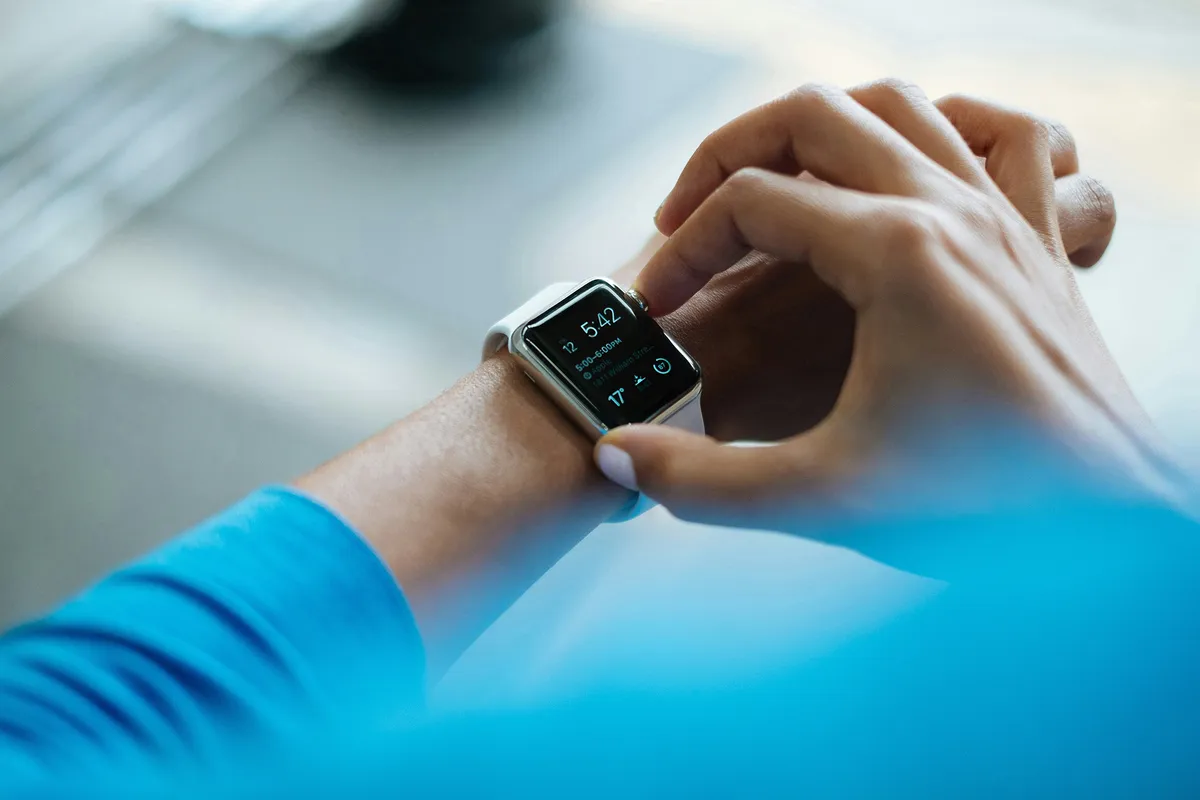 Workout app tracking and statistics
A good workout app shows your progress clearly — stats and graphs keep you motivated and on track.
Workout app tracking and statistics
A good workout app shows your progress clearly — stats and graphs keep you motivated and on track.
Which App Is Right for You?
🆕 Beginner (0–6 months experience)
Recommendation: Tsemppi or JEFIT
You need:
- Ready-made workout programs
- Exercise instructions and videos
- A simple interface
- Guidance on progression
Read more in the beginner gym workout program.
💪 Intermediate Lifter (6 months – 2 years)
Recommendation: Tsemppi, Strong, or Hevy
You need:
- Precise progression tracking
- 1RM estimates and predictions
- Customizable programs
- Statistics and graphs
🏆 Advanced Lifter (2+ years)
Recommendation: Strong or Tsemppi
You need:
- Full control over programming
- Detailed data
- Periodization management
- Fast logging
⏰ Busy Lifter
Recommendation: Fitbod or Tsemppi
You need:
- Automatic program generation
- Fast session start
- Flexibility for your schedule
- No upfront planning required
The AI Workout App Revolution
In 2026, artificial intelligence has transformed workout apps. Research shows that AI-powered apps produce an average of 23% better results than traditional apps.
How AI Workout Apps Work
- They learn from you: The algorithm analyzes your performance, recovery, and development
- They adapt in real time: If you exceed targets, the program gets harder. If you fall short, it adjusts down.
- They personalize everything: Account for your goals, schedule, and available equipment
- They predict your progress: Show when you'll reach your goal at your current pace
Read more about AI workout programs.
Tsemppi as an AI Coach
Tsemppi represents the next generation of workout apps. It doesn't just log your workouts — it actively coaches you:
- Before training: You see exactly what to do and what weights to use
- During training: The app suggests weights based on your history
- After training: AI analyzes your performance and adjusts future sessions
- Weekly: The program updates automatically based on your progression
How to Get Maximum Results from Your Workout App
1. Log Every Workout
Consistent logging is the strongest predictor of long-term results (Schoeppe et al., 2016). Don't skip logging sessions — even bad ones.
2. Apply Progressive Overload
A good app shows you when it's time to increase the weight. Watch for these signals:
- All reps completed cleanly
- RPE (perceived exertion) stays below 8
- Recovery is fast
Read more about progressive overload training.
3. Review Your Stats Weekly
Set aside 5 minutes on Sundays to check your stats:
- Did you complete all planned sessions?
- Are weights/reps going up?
- Is any muscle group falling behind?
4. Use Reminders
Set up app reminders:
- Training day morning: "Today is leg day"
- After training: "Remember to log your session"
- Rest day: "Training tomorrow — sleep well"
5. Connect to Other Devices
Maximize the benefits by connecting:
- Activity tracker: Recovery monitoring
- Smart scale: Body composition tracking
- Heart rate monitor: Intensity tracking
Most Common Mistakes When Using Apps
| Mistake | Why It's Harmful | Fix |
|---|---|---|
| Using too many apps | Fragmented data, confusing tracking | Choose one primary app |
| Not logging workouts | No progression, motivation drops | Log during the session, not after |
| Exaggerating weights | Distorted data, poor programming | Log actual weights used |
| Ignoring features | Paying for things you don't use | Explore all functions |
| Not analyzing data | You don't learn from your training | Review stats weekly |
FAQ
What is the best free workout app?
Hevy offers the best free experience for workout logging. If you want ready-made programs and exercise videos, JEFIT is a solid free option. Tsemppi also offers a 7-day free trial — no credit card required — that includes the full AI-powered program experience. Read more in the best free gym app guide.
Do I need a paid app?
It depends on your goals. Research shows that paid app users adhere 40% better — partly because a financial commitment increases motivation. If you're serious, a paid app tends to pay for itself in better results.
Do workout apps actually work?
Yes. A meta-analysis of 24 studies shows that mobile app use significantly increases physical activity (Middelweerd et al., 2014). The key is consistent use — an app only works if you use it.
Which is better: an AI app or a traditional one?
AI apps produce better results according to research because they adapt individually to the user. Traditional apps suit experienced lifters who want full control over their programming.
How do I switch apps without losing my data?
Most apps (Strong, Hevy, Tsemppi) support CSV export. Export your data from the old app and import it into the new one. Confirm the new app supports import before switching.
Can an app replace a personal trainer?
Partially. An AI app can replace programming and tracking, but can't correct technique errors in real time. The ideal combination: AI app for daily training + PT session once a month for technique checks.
Does Tsemppi really not require a credit card for the trial?
Correct — Tsemppi's 7-day free trial requires no credit card or payment information. You get the full AI-powered coaching experience completely risk-free.
Summary
The right workout app is like a personal trainer in your pocket — it keeps you accountable, tracks your development, and helps you reach your goals faster.
Key takeaways:
- Choose one app and commit to it
- Log every workout — consistency is the key
- Use AI if you want an optimized program without the guesswork
- Analyze your data regularly
- Let the app help you — don't fight against it
References
-
Romeo, A., et al. (2019). Can Smartphone Apps Increase Physical Activity? Journal of Medical Internet Research, 21(3), e12053. PubMed
-
Direito, A., et al. (2017). Smartphone apps to improve fitness and increase physical activity. BMC Public Health, 15, 635. PubMed
-
Middelweerd, A., et al. (2014). Apps to promote physical activity among adults: a review and content analysis. International Journal of Behavioral Nutrition and Physical Activity, 11, 97. PubMed
-
Ahtinen, A., et al. (2008). Design of mobile wellness applications: identifying cross-cultural factors. ACM MobileHCI. ACM
-
Schoeppe, S., et al. (2016). Efficacy of interventions that use apps to improve diet, physical activity and sedentary behaviour. International Journal of Behavioral Nutrition and Physical Activity, 13, 127. PubMed
Want to try the smartest workout app for free? Start Tsemppi's 7-day free trial — no credit card required. Get a personalized AI workout program that adapts to your goals from day one.


